Quick answer
For logistics buyers, the lower-body assist exoskeleton market offers three distinct procurement paths: an active soft exosuit (SafeBoost by Verve Motion) with cloud telemetry and an 80 N assist force, a passive waist-assist unit (H-WULF by ULS Robotics) with a 30 kg lift support and a 3,600 USD indicative price, and an active lower-body robot (CLOi SuitBot by LG Electronics) with 25 Nm assist torque and 1.5 km/h walking speed. None of the three publishes a complete datasheet, and only H-WULF discloses a price. The right choice depends on whether you need data connectivity, a low capital outlay, or mobility assistance—and on which gaps you can tolerate.
Key takeaways
- SafeBoost is the only system with fleet telemetry and a cloud dashboard, but pricing is subscription-only and undisclosed.
- H-WULF is the only system with a public price (3,600 USD indicative) and the highest disclosed lift support (30 kg), but it offers no connectivity and has 13 unknown or not-applicable parameters.
- CLOi SuitBot has the highest disclosed assist torque (25 Nm) but the lowest battery life (4 h) and no disclosed certifications or standards.
- All three systems are CE-marked or claim CE, but only SafeBoost references ISO 13482; H-WULF and CLOi SuitBot do not disclose standards.
- Regional availability differs: SafeBoost in North America and Europe; H-WULF and CLOi SuitBot in Asia-Pacific only.
Why lower-body assist is not a single category
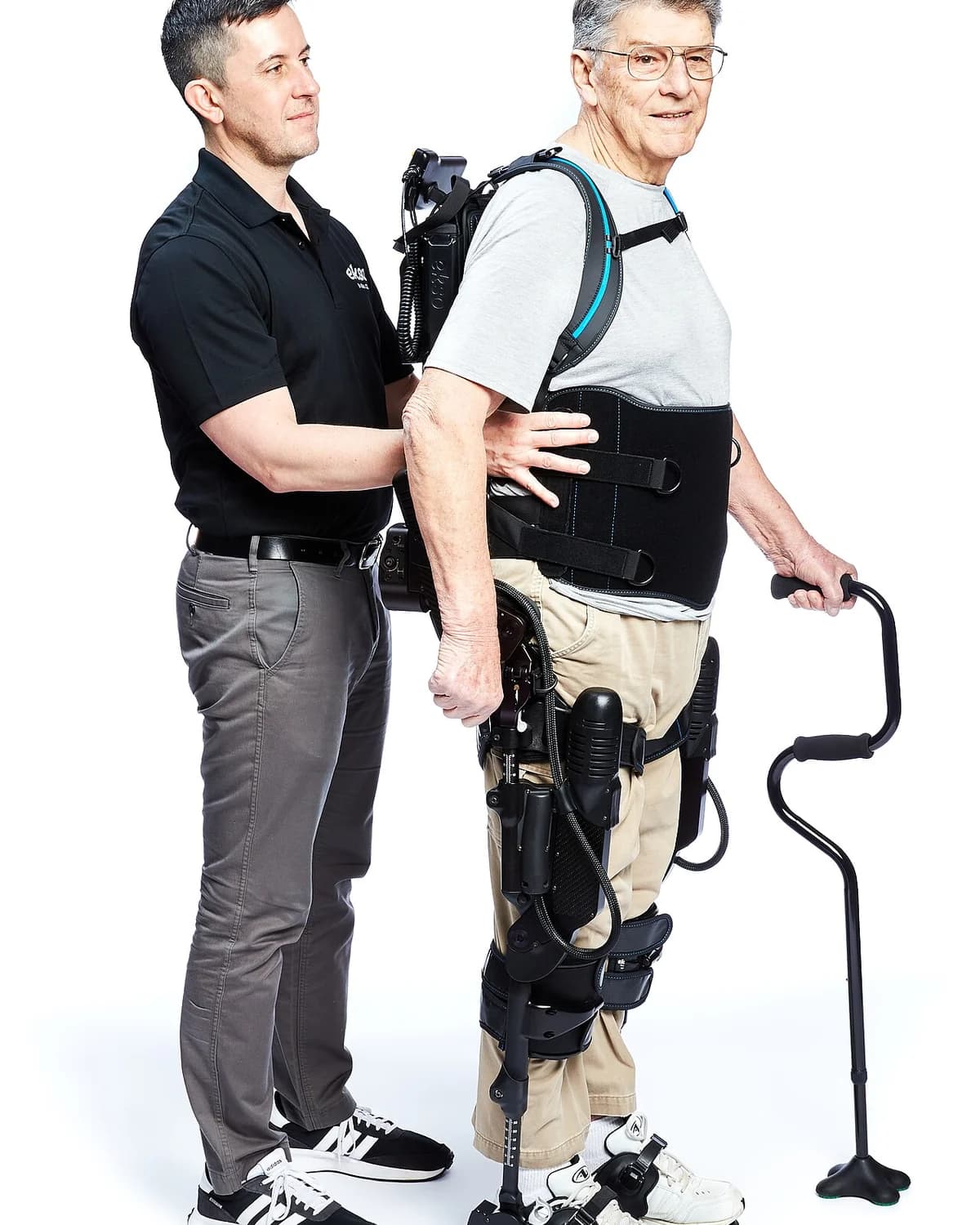
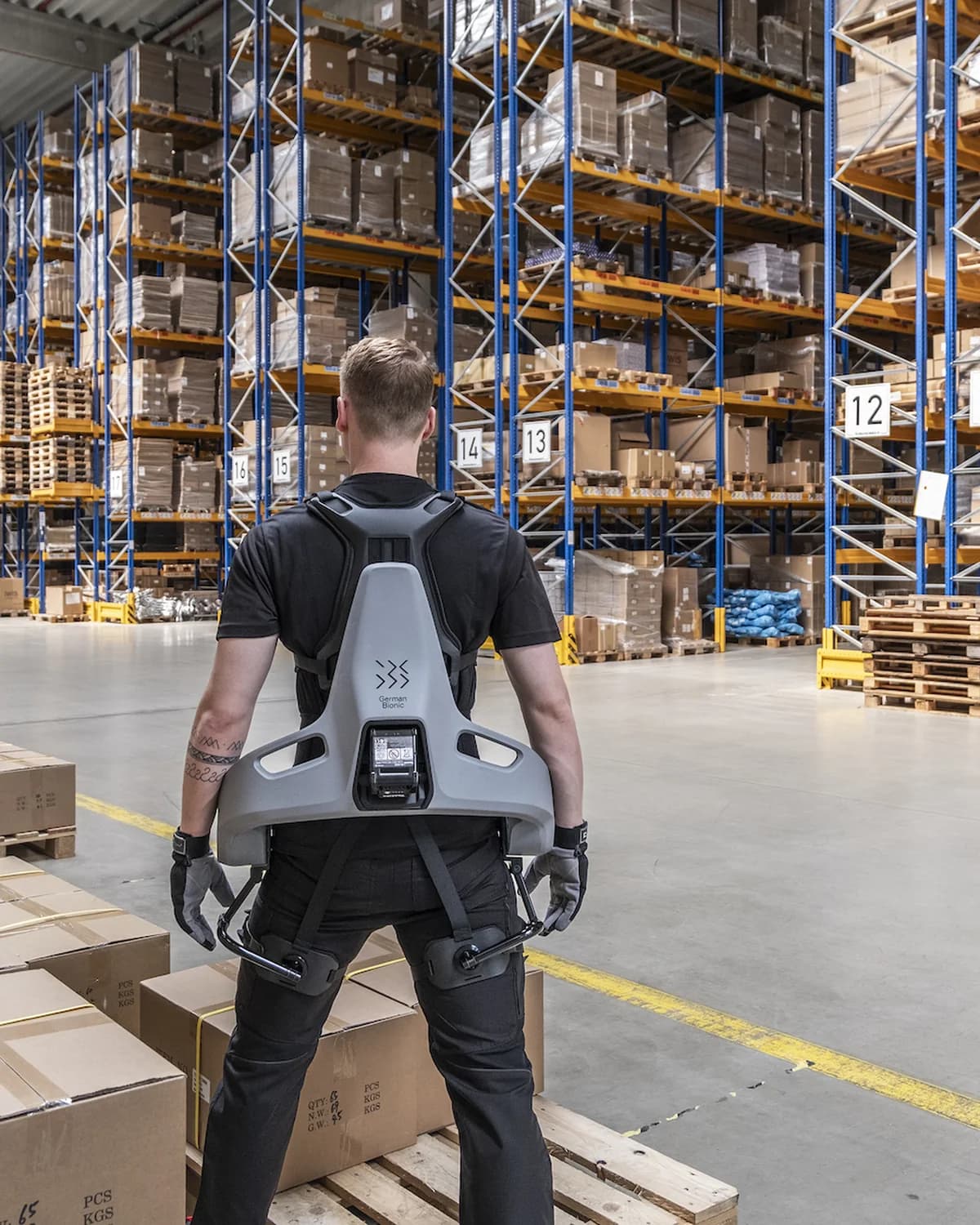
The three systems in this dataset serve different physical tasks. SafeBoost is a soft exosuit that assists hip extension during frequent lifting—a profile that matches repetitive parcel handling and order picking. H-WULF is a passive waist-assist exoskeleton for repeated lifting in warehouses and plants, using aluminium and steel construction and no sensors. CLOi SuitBot is a wearable lower-body assist robot for mobility and repetitive work support, with walking and standing assist modes. A buyer who treats these as interchangeable will mis-specify the pilot: SafeBoost targets hip extension, H-WULF targets waist support, and CLOi SuitBot targets lower-limb mobility.
The drive type matters for procurement. Active systems (SafeBoost, CLOi SuitBot) require battery management, charging infrastructure and—for SafeBoost—cloud connectivity. Passive systems (H-WULF) have no battery, no sensors and no data stream, which simplifies deployment but removes the ability to measure usage or compliance.
Comparison table: disclosed specifications only
| Parameter | SafeBoost (Verve Motion) | H-WULF (ULS Robotics) | CLOi SuitBot (LG Electronics) |
|---|
| Drive | Active | Passive | Active |
| Weight | 2.2 kg | 3.8 kg | 5.5 kg |
| User weight limit | 115 kg | 100 kg | 100 kg |
| Height range | 155–195 cm | 160–190 cm | Unknown |
| Sizes | S–XL | Adjustable | Adjustable |
| Assist force | 80 N | Unknown | Unknown |
| Assist torque | Unknown | Unknown | 25 Nm |
| Lift support | 15 kg | 30 kg | 30 kg |
| Battery life | 8 h | Not applicable | 4 h |
| Charge time | 2 h | Not applicable | 2 h |
| Swappable battery | Yes | Not applicable | Yes |
| Connectivity | Cloud dashboard, fleet telemetry, Bluetooth | Not applicable | Unknown |
| Certifications | CE | CE | Unknown |
| Standards | ISO 13482 | Unknown | Unknown |
| Price | Undisclosed (subscription) | 3,600 USD indicative | Undisclosed |
| Regions | North America, Europe | Asia-Pacific | Asia-Pacific |
| Availability | Subscription programme | Available on inquiry | Limited availability |
All numeric values are as supplied in the ExoSelect database. Unknown or not applicable entries are shown exactly as recorded.
What the datasheet doesn't tell you
Three gaps matter most for a logistics procurement decision.
Peak assist torque for SafeBoost and H-WULF is unknown. SafeBoost discloses an 80 N assist force but not the corresponding torque; H-WULF discloses neither force nor torque. Torque is the parameter that determines whether the device can support a given load at a given joint angle, so without it you cannot compare the two systems on assist capability. The lift support figures (15 kg for SafeBoost, 30 kg for H-WULF) are not a substitute for torque because they do not specify the joint or the test condition.
Clinical evidence is unknown for SafeBoost and not applicable for H-WULF and CLOi SuitBot. For a logistics buyer, clinical evidence is not a regulatory requirement, but it is the only documented basis for claims about injury reduction. If your business case depends on reducing musculoskeletal disorders, you need either clinical evidence or your own internal trial data. None of the three systems provides published clinical evidence in this dataset.
H-WULF has 13 unknown or not-applicable parameters, including warranty, lead time, standards referenced, and peak assist force. That is the highest gap count of the three. Warranty and lead time are commercial terms that directly affect total cost of ownership and deployment scheduling. The absence of a disclosed standard (beyond CE) means you cannot verify which safety framework the manufacturer followed.
CLOi SuitBot adds its own gaps: height range, certifications, standards, connectivity, warranty and lead time are all unknown. For a system with a 5.5 kg weight and 1.5 km/h walking speed, the missing height range is a fit risk, and the missing certifications are a compliance risk in any region outside Asia-Pacific.
Total cost of ownership: what is visible and what is not
Only H-WULF has a disclosed price: 3,600 USD indicative. That figure excludes regional certification and service, as the price note states. SafeBoost is offered as a subscription programme with pricing not public, which shifts cost from capital to operating expense but makes multi-year cost comparison impossible without a quote. CLOi SuitBot has no public price and limited availability, so any budget figure would be speculative.
For active systems, add battery replacement and charging infrastructure to the cost model. SafeBoost has an 8 h battery life and 2 h charge time with a swappable battery; CLOi SuitBot has 4 h battery life and 2 h charge time, also swappable. A single 8 h shift with CLOi SuitBot would require at least one battery swap, whereas SafeBoost covers a full shift on one charge. That difference affects the number of batteries per worker and the charging logistics.
Connectivity has a cost too. SafeBoost includes a cloud dashboard and fleet telemetry, which may carry subscription or data fees that are not disclosed. H-WULF has no connectivity, so no data fees—but also no usage data to support ROI reporting.
Who should not choose this
Do not choose SafeBoost if you need a fixed capital purchase with a known price and no ongoing data subscription. The subscription model and undisclosed pricing make it unsuitable for procurement teams that require a purchase order with a stated unit price. Also avoid SafeBoost if your operations are outside North America or Europe, because regional availability is limited to those two regions.
Do not choose H-WULF if you need usage data, fleet management or any digital integration. It has no sensors and no connectivity. It is also a poor fit if you operate outside Asia-Pacific, or if you require a disclosed safety standard beyond CE—H-WULF does not reference one. And do not choose it if you need a documented warranty or lead time; both are unknown.
Do not choose CLOi SuitBot if you need a full-shift battery or verified compliance. Its 4 h battery life requires a mid-shift swap, and its certifications and standards are unknown. It is also limited to Asia-Pacific and has limited availability, so it is not a candidate for multi-site rollouts outside that region.
Procurement next steps
Start by comparing the three systems side by side on the ExoSelect platform: see the comparison tool for a parameter-by-parameter view. If you are considering SafeBoost, request the peak assist torque and the subscription pricing schedule from Verve Motion. If H-WULF is on your shortlist, request the warranty terms, typical lead time and the referenced safety standard from ULS Robotics. For CLOi SuitBot, request the height range, certifications and connectivity details from LG Electronics. For a structured requirements checklist, contact the ExoSelect selection desk.
You can also review the full category at logistics exoskeletons and the individual product pages for SafeBoost, H-WULF and CLOi SuitBot.
FAQ
Which lower-body exoskeleton has the longest battery life?
SafeBoost has a disclosed battery life of 8 h, compared with 4 h for CLOi SuitBot. H-WULF is passive and has no battery.
Is there a lower-body exoskeleton with a public price?
Yes, H-WULF has an indicative price of 3,600 USD. SafeBoost and CLOi SuitBot do not disclose pricing.
Which system is available in Europe?
SafeBoost is available in North America and Europe. H-WULF and CLOi SuitBot are listed for Asia-Pacific only.
Sources: Verve Motion official website (vervemotion.com); ULS Robotics official website (ulsrobotics.com); LG Electronics official website (lg.com). All product specifications are from the ExoSelect database as of the date of this guide.
 ExoSelect research